
_019f6409.png)
Efficient Dehumidifiers for Demanding Special Applications
Controlling humidity levels is essential for protecting building structures, inventory, and valuable cultural assets. Excessive humidity often leads, unnoticed, to costly damage caused by corrosion, material degradation, or microbial infestation.Special Applications for Dehumidifiers
Select your use case—we'll show you the right solution.
Why Targeted Dehumidification Is Essential in Specialized Departments
Excessive humidity poses a serious risk in many industries and types of buildings. As soon as the relative humidity remains consistently above 60 percent, the risks to materials and human health increase exponentially. A professional dehumidifier helps regulate this by removing excess moisture from the air, thereby creating an environment where corrosion and mold cannot thrive.
- Different Rooms, Different Humidity Risks
- Protection against mold, corrosion, and material degradation
- Preserving the value of inventory, goods, and building structures
- Efficient dehumidification through demand-based sizing
Applications of Dehumidifiers


Not sure which solution is right for you?
Our team of technical consultants will help you select the right product for your specific application—free of charge and with no obligation.
You can find our full line of dehumidifiers here.
Why Targeted Dehumidification Is Essential in Specialized Departments
Excessive humidity poses a serious risk in many industries and types of buildings. As soon as the relative humidity remains consistently above 60 percent, the risks to materials and human health increase exponentially. A professional dehumidifier helps regulate this by removing excess moisture from the air, thereby creating an environment where corrosion and mold cannot thrive.
Sustainable Mold Prevention and Preservation of Value
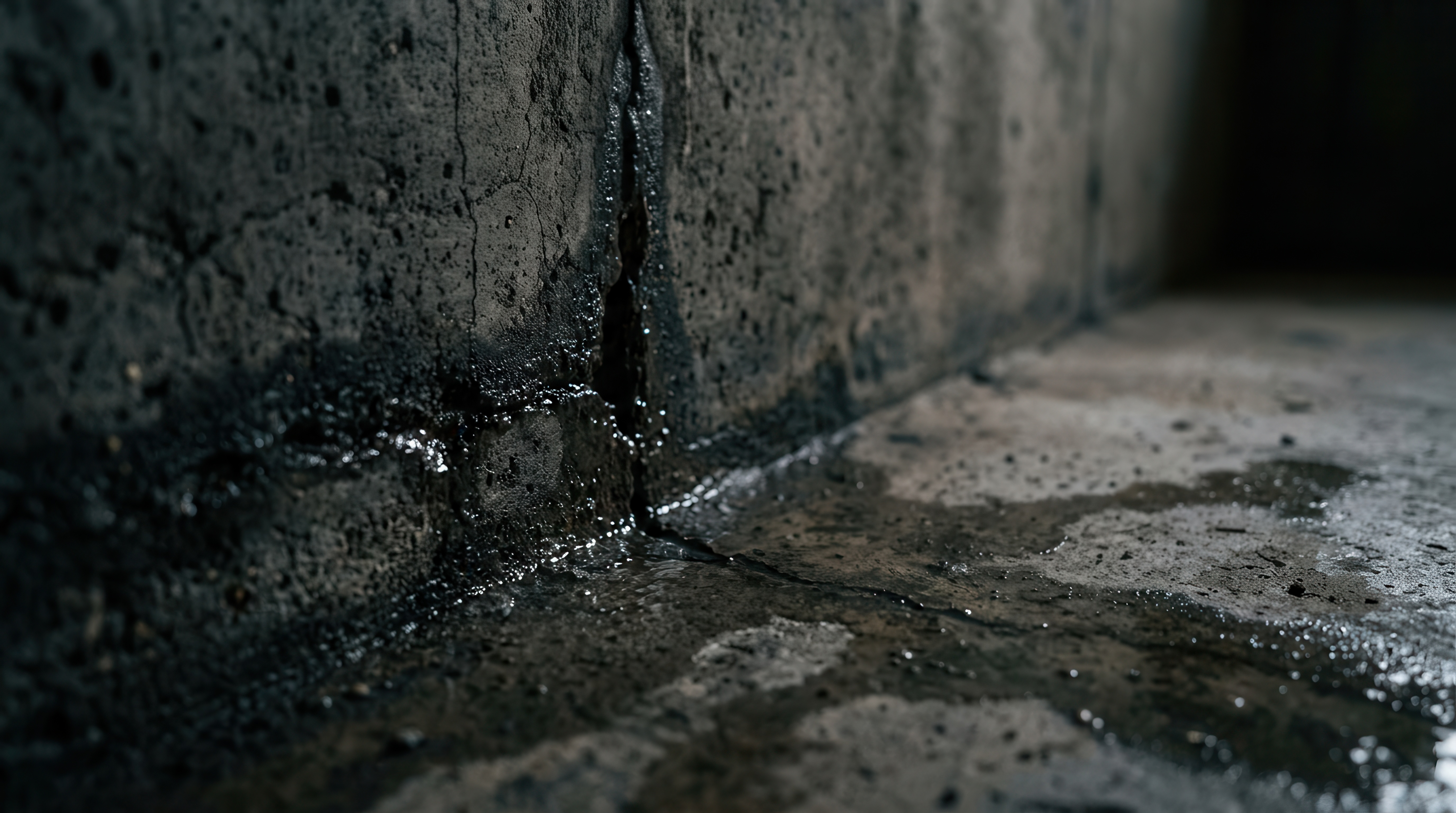
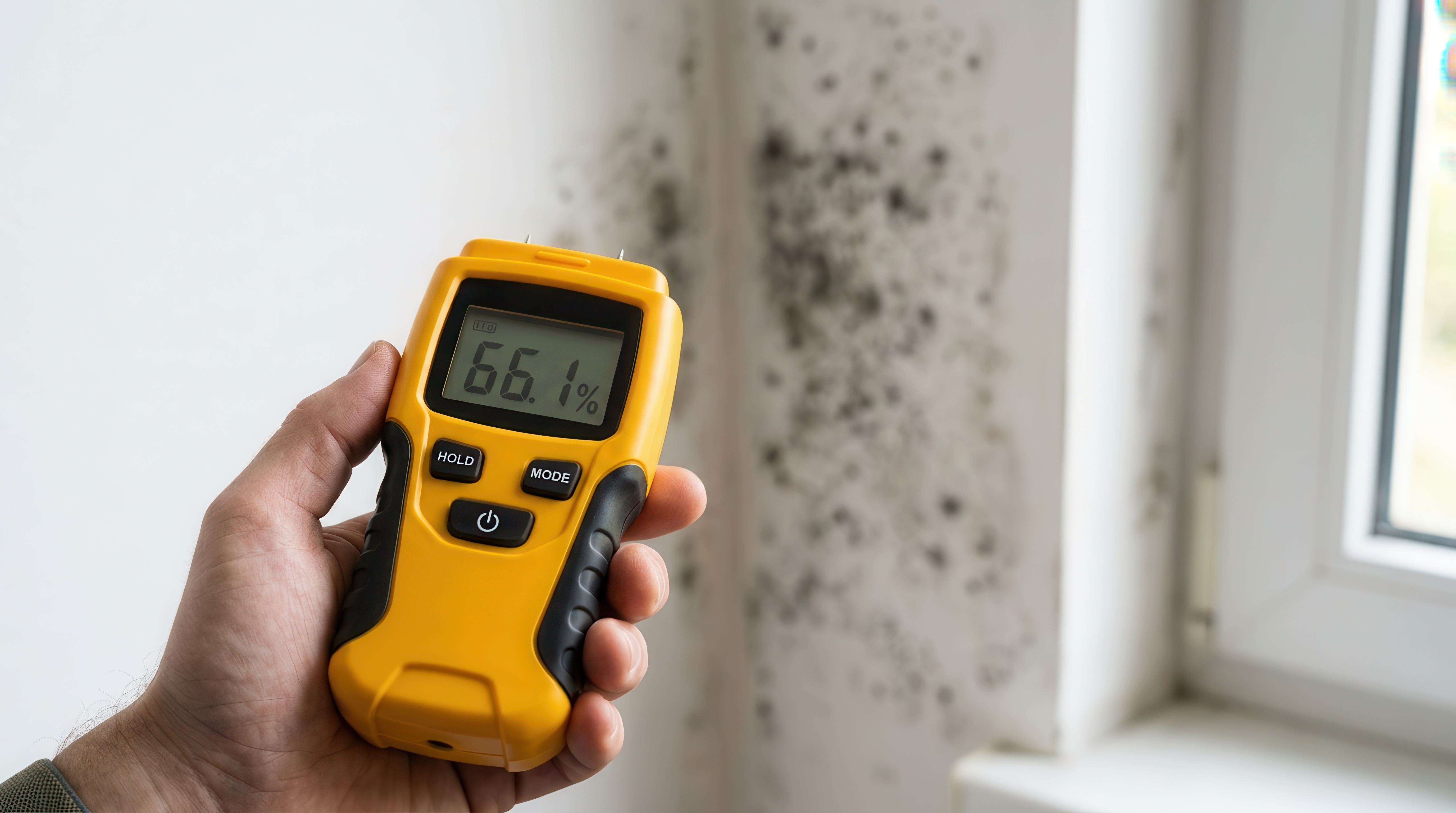
Mold needs one thing above all else to grow: moisture. Water condenses especially in poorly ventilated areas or rooms with cold exterior walls, which promotes mold growth. This not only damages the building structure but also poses a significant health risk. The use of modern dehumidification systems ensures that the temperature remains well below the dew point. This deprives spores of their means of survival and provides long-term protection for walls, textiles, and furnishings against deterioration.
Protection for Museums, Archives, and Historical Documents
In archives and museums, the requirements for air dryness are particularly strict. Paper, parchment, and metals react to excessive humidity by curling, oxidizing, or suffering acid corrosion. A stable climate is the only guarantee here for decades of archiving without any loss of quality. When used together, our air humidifiers and dehumidifiers enable precise control of the target humidity, to protect sensitive collections from gradual deterioration caused by excessively humid ambient air.
Efficiency in Warehousing, Logistics, and Industry
In warehousing, moisture can render entire batches of goods unusable. Whether it’s the caking of powders, the softening of cardboard boxes, or the corrosion of components, the economic consequences are often immense. A controlled indoor climate ensures smooth operations and consistent product quality in logistics centers. It also prevents condensation from forming on machinery, which extends maintenance intervals and increases operational reliability.
Speeding Up Construction and Renovation
After water damage or in new construction, time is of the essence. Natural drying processes often take months and delay interior finishing work. Mobile high-performance dehumidifiers significantly shorten these phases. They draw moisture deep from the masonry and subfloor, thereby preventing secondary damage such as trapped moisture under floor coverings. This not only saves time but also reduces long-term energy costs for drying.
Easy integration and secure operation
Our systems are designed for ease of use. Many models are suitable for continuous, unattended operation and feature built-in humidity controllers and automatic overflow protection systems. If you have any questions about calculating the capacity for your specific space or about the optimal placement of the units, we’d be happy to assist you.